Losing teeth can crush your confidence. You may hide your smile, avoid photos, or pull back from people. Implant dentists understand this quiet pain. They focus on giving you teeth that look real, feel secure, and stay strong over time. This care is not about quick fixes. It is about stable restorations that let you eat, speak, and smile without fear. You gain control again. You stop worrying that a tooth will slip or break at the worst moment. Instead, you trust your mouth. Many people start by talking with a Skokie general dentist who works with implant specialists. Together they plan treatment that fits your daily life and long term health. This blog explains how implant dentists restore function, protect bone, and support your self respect. You deserve teeth that do their job and help you feel steady in every room you enter.
How Implants Work In Your Mouth
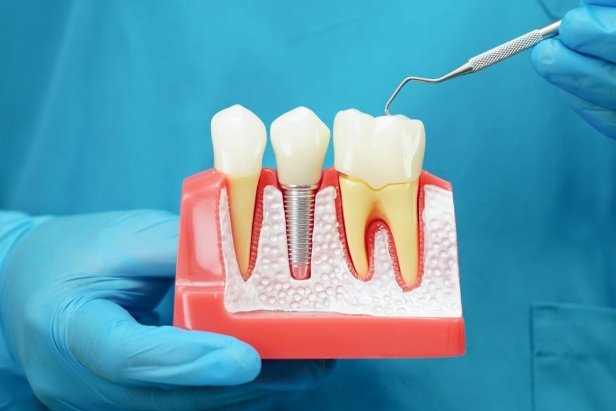
Dental implants replace the whole tooth. The dentist places a small post in the jaw. The bone grows around this post. Then a custom crown, bridge, or denture attaches on top.
This matters for three reasons.


- The implant acts like a tooth root and keeps the jaw from shrinking.
- The crown is shaped and colored to match nearby teeth.
- The full unit does not move when you chew or talk.
The National Institute of Dental and Craniofacial Research explains that tooth loss affects how you eat and speak and can harm your health over time.
Why Stability Builds Confidence
Fear of movement keeps many people from smiling. Traditional dentures can slip. Gaps can show when you talk. You may plan every meal and social event around your teeth.
Implant restorations change that.
- You chew most foods without pain.
- You speak without extra saliva or clicks.
- You smile without checking your teeth in a mirror.
That daily sense of control builds quiet confidence. You do not need to think about your teeth. You can think about your life.
Comparing Implants, Bridges, And Dentures
You have options for replacing missing teeth. Each choice affects your comfort, bone, and long term costs. The table below shows key differences.
| Treatment Type | Stability While Eating | Effect On Jaw Bone | Typical Longevity With Good Care | Impact On Neighbor Teeth |
|---|---|---|---|---|
| Single Dental Implant With Crown | High. Feels close to a natural tooth. | Helps preserve bone where the implant sits. | Often 15 years or more for the implant post. | No need to grind down neighbor teeth. |
| Fixed Dental Bridge | Moderate to high. Usually steady. | Does not prevent bone loss under the missing tooth. | Often 7 to 10 years before repair or change. | Requires shaping neighbor teeth for support. |
| Removable Partial Denture | Low to moderate. Can move or rub. | Does not protect bone. Bone loss can continue. | Often 5 to 7 years before relines or remake. | Clips may stress neighbor teeth. |
| Full Denture | Lower. Often needs paste. | Jaw bone often shrinks over time. | Often 5 to 10 years before remake. | No direct change to single teeth. Gum and bone change. |
The American College of Prosthodontists notes that implants can help support bone and hold dentures steady in people who lost many teeth.
See also: 4 Tips For Maintaining Oral Health Between Dental Visits
How Implant Dentists Plan For Long Term Success
Strong results do not happen by chance. Implant dentists follow a clear plan.
- They review your health history and medicines.
- They take X rays and scans to measure bone and nerves.
- They map the bite so the new teeth share pressure.
Next they talk with you about goals.
- Do you want fixed teeth that stay in all the time.
- Do you want fewer implants that support a snap on denture.
- Do you want to replace one tooth or many.
This honest talk helps match the plan to your budget, time, and health.
The Emotional Side Of Restorations
Tooth loss is not only a body issue. It touches how you see yourself. You might feel shame, anger, or grief. You might avoid dating, eating with others, or speaking up at work.
Implant restorations help in three key ways.
- You see a full smile in the mirror again.
- You feel steady when you laugh or eat in public.
- You regain a sense of control over your health.
This shift is not about vanity. It is about human dignity. You deserve to chew, talk, and smile without fear or shame.
What You Can Expect During Treatment
The process can take months. Clear steps help you know what is coming.
- First visit. You share your story. The dentist checks your mouth and talks about options.
- Planning visit. You review scans, costs, and timing. You agree on a plan.
- Surgery visit. The dentist places the implant posts.
- Healing phase. The bone grows around the posts. You may wear a temporary tooth.
- Restoration visit. The dentist attaches the final crown, bridge, or denture.
During this time you should ask questions. You should also report pain, swelling, or changes. Clear talk with your care team keeps you safe.
How To Care For Implants And Keep Confidence High
Implants can last many years. You still need to care for them as you would natural teeth.
- Brush twice a day with a soft brush.
- Clean between teeth with floss or small brushes.
- See your dentist at least twice a year for checks and cleanings.
- Do not smoke. Smoking raises the risk of implant problems.
Routine care is more effective after treatment. Your mouth is easier to clean when teeth are stable and shaped well.
Taking The Next Step
If missing teeth hold you back, you do not have to accept that pain. You can talk with a Skokie general dentist or implant dentist and ask clear questions.
- Am I a good candidate for implants.
- How many teeth can we replace.
- What are the risks for my health conditions.
- What will this cost over five to ten years compared with other options.
You deserve straight answers. You also deserve a plan that respects your body, your time, and your money. Strong, lasting restorations do more than fill gaps. They give you back the simple human right to smile, eat, and speak without fear.