Technology is changing how you receive dental implants and how your mouth heals. You see it in quicker visits, fewer surprises, and stronger long term results. Today your dentist can plan surgery on a screen before ever touching your mouth. Your Albuquerque periodontist can use 3D scans, digital guides, and new imaging tools to place implants with more control. You get shorter surgery times. You feel less fear. You heal with fewer problems. New materials help implants last. New tools help protect bone and gums. Even follow up visits are changing through remote checks and smart devices. These changes are not gimmicks. They are quiet shifts that protect your health, your time, and your money. This blog explains how these tools work, what you should ask your dentist, and how you can use this progress to protect your teeth and avoid repeat surgery.
Digital planning before surgery
In the past your dentist relied on two dimensional X rays and experience. Today your care can start with a 3D cone beam CT scan. This shows bone, roots, nerves, and sinuses in clear detail. It gives a full picture of your mouth before a drill touches bone.
You benefit in three clear ways.

- Your dentist can see thin bone before surgery and plan grafts early.
- Your nerves and sinuses get stronger protection.
- Your implant angle and depth match your final tooth shape.
The National Institute of Dental and Craniofacial Research explains that good planning helps protect bone and gum health over time.
Guided surgery for more control
After the scan your dentist can use software to plan the exact spot for each implant. A lab or office printer then creates a plastic guide that fits over your teeth or gums. This guide has small sleeves that direct the drill.
This process gives you three clear gains.
- Shorter time in the chair.
- Smaller openings in your gums.
- More predictable healing and bite.
Guided surgery is not right for every mouth. Yet when bone and space allow, it can reduce cutting and stitches. That can reduce swelling and pain and help you return to work or school sooner.
New materials that protect bone and gums
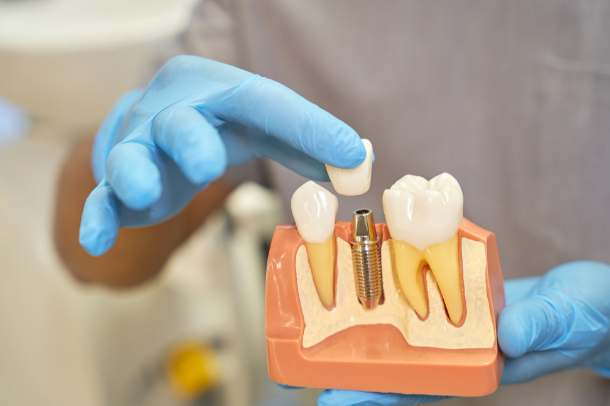
Most implants use titanium. This metal bonds with bone and has a long record of safety. Newer options use zirconia, a strong ceramic. This can help people with metal concerns and can look more natural under thin gums.
Your dentist also has better tools to protect bone.
- Bone grafts now come in many forms that support growth.
- Barrier membranes shield healing bone from fast growing gum tissue.
- Surface treatments on implants help bone attach more firmly.
The U.S. Food and Drug Administration explains that dental implant materials go through careful review to protect your health.
See also: Benefits of Choosing a Home Health Care Agency for Your Loved Ones
Lasers and gentle tissue care
Some dentists use lasers to shape gums, clean infected tissue, or uncover implants. A laser can focus energy in a narrow spot and can reduce bleeding. It may also cut some bacteria. This can support cleaner healing around your implant.
You should still expect local numbing and clear post op steps. Technology does not erase basic care. You still need gentle brushing, flossing, and cleanings around your implants.
Remote checks and smart tools
Follow up care is changing as well. Many offices now use secure video visits for quick checks. You can show the surgery site, ask questions, and review X rays without a long drive.
Some new tools can track bite pressure or tooth grinding. These devices can warn your dentist if heavy forces threaten your implant. Early changes in a bite guard or crown shape can prevent cracks or bone loss.
What you gain from new technology
Every new tool should serve you. It should not just look modern. The table below shows how common tools can change your experience.
| Technology | Old experience | New experience |
|---|---|---|
| 3D cone beam scan | Flat X rays with hidden spots | Clear view of bone, nerves, sinuses |
| Guided surgery | Freehand drilling and longer visits | Planned angles and often quicker visits |
| Modern materials | Fewer size and shape options | Better fit for bone and gum type |
| Lasers | Scalpel cuts and more bleeding | Targeted gum shaping and cleaner fields |
| Telehealth checks | Many office trips for short visits | Some checks from home with quick advice |
Questions to ask your dentist
You have the right to clear answers. During your consult you can ask direct questions.
- What scans do you use to plan my implants
- Will you use a surgical guide for my case
- What material will you use for my implant and crown
- How will you protect my nerves and sinuses
- What follow up visits or remote checks will I need
- What can I do at home to keep my implants clean and strong
Simple questions can uncover rushed plans. They also show you if the office uses tools that match your needs, not trends.
How you can prepare
Technology helps only when your body can heal. Before surgery you can take three clear steps.
- Stop smoking or vaping if you can. Nicotine harms blood flow and bone healing.
- Control blood sugar if you have diabetes. Work with your medical team.
- Clean your teeth and gums each day. Reduce infection before surgery.
You and your dentist share this work. Good tools and strong habits together give the best chance for implants that last.
Looking ahead with clear eyes
New tools in implant dentistry can sound exciting. Yet your goal is simple. You want teeth that feel strong, look natural, and let you eat and speak without fear. Technology is only a set of tools to reach that point with less pain and fewer surprises.
When you see a 3D scan, a printed guide, or a laser, ask how it protects your health, your time, and your money. If the answer is clear and calm, you are on the right path. If not, you can seek another opinion. Your mouth is with you for life. Care that uses smart tools with careful planning can help you keep your smile steady for many years.