
You visit your dentist to fix problems, but prevention protects you from pain, cost, and stress. General dentists use simple tools that stop small issues from turning into tooth loss or infection. These tools protect your teeth, gums, and jaw. They also help your dentist spot warning signs early. Many offices, including dentistry on Dundas, rely on four core preventive tools during routine visits. These tools clean away stubborn buildup, shield weak spots, track changes in your mouth, and guide you on daily care. You might see them as routine. They are not. They are targeted steps that keep you eating, speaking, and smiling without fear. This blog explains what these four tools are, why they matter to you, and how they quietly guard your health every time you sit in the chair.
1. Professional cleanings
Routine cleanings feel simple. They carry huge power. A hygienist removes sticky plaque and hardened tartar from your teeth. You cannot remove tartar with a brush at home. If you leave it, bacteria spread, and your gums swell and bleed.
During a cleaning, your dental team usually:

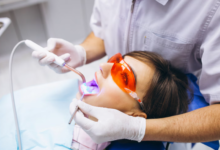
- Scrapes away tartar from teeth and along the gumline
- Polishes teeth to smooth rough spots where bacteria cling
- Checks gums for swelling, bleeding, or pockets
The Centers for Disease Control and Prevention explains that nearly half of adults over 30 have some form of gum disease. Cleanings cut this risk and protect you from loose teeth and infections.
Cleanings also give your dentist a clear view of your mouth. Once plaque and tartar are gone, early decay and small cracks stand out. That means simpler treatment and less pain.
2. Fluoride treatments
Fluoride is a natural mineral. It strengthens the hard outer layer of your teeth. You take in fluoride from toothpaste and some water. Your dentist often adds a stronger dose during checkups.
Fluoride treatments come in three common forms:
- Gel in a tray that you bite into for a few minutes
- Foam placed over your teeth
- Varnish painted on tooth surfaces
Each method coats your teeth. Fluoride then soaks into the enamel and helps repair early damage. The American Dental Association explains how fluoride prevents decay and supports both children and adults.
Fluoride treatments help you if you:
- Have many fillings or crowns
- Wear braces
- Have a dry mouth from medicines
- Snack often or sip sugary drinks
You might not feel anything during a fluoride treatment. You still gain strong protection against new cavities and against decay that starts between visits.
3. Dental sealants
Sealants act like shields for your back teeth. The chewing surfaces on molars have grooves that trap food and bacteria. Brushes miss these grooves, especially in children.
Your dentist applies sealants in a short visit:
- First, cleans the tooth
- Next, dries it and applies a gentle prepping liquid
- Then, paints on a thin coating of sealant material
- Finally, hardens it with a curing light
The process does not involve shots or drilling. After it sets, the sealant blocks food and bacteria from getting into the grooves. The coating can last several years. Your dentist checks it during each visit and can repair it if needed.
Sealants help children, teens, and adults who have deep grooves or a history of decay. They lower the chance of cavities in the most decay-prone teeth.
See also: Why Preventive Dentistry Lowers Oral Health Costs Over Time
4. X-rays and regular exams
X-rays and exams work together. The exam gives a clear view of what your dentist can see. X-rays show what lies under the surface. You need both to stay ahead of problems.
During a routine exam, your dentist often:
- Checks each tooth for soft spots or cracks
- Looks at your bite and jaw movement
- Examines your tongue, cheeks, and throat for sores or color changes
- Decay between teeth
- Bone loss from gum disease
- Infections at the root tips
- Impacted teeth or unusual growths
This step can reveal problems before you feel pain. That early warning can prevent emergency visits and extractions.
How these tools work together
Each preventive tool has a clear job. Together, they form a simple shield for your mouth. You gain the most protection when you use all four tools on a regular schedule.
| Preventive tool | Main purpose | How often for most people | Key benefit |
|---|---|---|---|
| Professional cleanings | Remove plaque and tartar | Every 6 months | Lower risk of gum disease and bad breath |
| Fluoride treatments | Strengthen tooth enamel | Every 3 to 12 months, based on risk | Fewer new cavities |
| Dental sealants | Protect deep grooves on back teeth | Every few years, checked at visits | Less decay in molars |
| X rays and exams | Find hidden and early problems | Exams every 6 months. X-rays on a set schedule | Smaller, simpler treatments |
How you can support these tools at home
Your daily habits decide how well these tools work. You do not control every health problem. You do control how you care for your mouth between visits.
You can support your dentist by:
- Brushing twice a day with fluoride toothpaste
- Cleaning between teeth with floss or another tool every day
- Limiting sugary drinks and snacks
- Drinking tap water if it has fluoride
- Not smoking or vaping
When you combine home care with these four preventive tools, you cut your risk of pain, missed work, and large bills. You also keep your mouth ready for simple joys. You can share a meal, read to a child, or speak at work without worry.
Prevention is not fancy. It is steady, quiet, and strong. Each visit gives you another chance to protect what you still have, instead of only fixing what you lost.