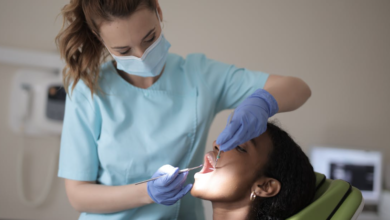
Talking to your teen about cosmetic dentistry can feel tense and personal. Your child sees their teeth in every photo and video. You see their health, safety, and long term costs. Both views matter. This blog gives you clear steps so you can speak with honesty, patience, and control. You will learn how to ask what your teen wants, share what worries you, and set limits that protect them. You will also see how to include your family dentist in Alexandria, VA in the conversation. That way your teen hears facts, not rumors from social media. You do not need special training to handle this topic. You only need a plan, steady words, and a focus on your child’s well being.
Tip 1: Start With Listening, Not Lecturing
Your teen likely has strong feelings about their teeth. Many teens compare their smile to people on social media and in movies. That pressure can cause shame and fear. Before you share your views, ask questions.
- “What do you like about your teeth?”
- “What bothers you the most?”
- “Where did you hear about this treatment?”
Next, reflect back what you hear. You might say, “It sounds like you feel embarrassed when you smile in photos.” Simple reflection shows respect. It also lowers conflict. Your teen feels seen instead of judged.


Then, explain that you are open to learning together. You can say, “Let us get facts first. Then we can decide what makes sense for your health.” That sentence sets a calm path. You are not saying yes or no yet. You are saying you will use facts and care.
Tip 2: Share Clear Facts About Common Cosmetic Options
Your teen may not know the difference between a safe change and a risky one. You can walk through basic options in plain words. Use trusted sources such as the National Institute of Dental and Craniofacial Research and the American Dental Association’s MouthHealthy site to check details.
Here is a simple comparison you can review together.
| Treatment | Common Goal | Usually For Teens? | Key Points To Discuss |
|---|---|---|---|
| Teeth whitening by dentist | Lighter tooth color | Sometimes | Can cause tooth sensitivity. Needs healthy teeth and gums first. |
| Over the counter whitening | Lighter tooth color | Sometimes | Weaker than office care. Risk of overuse. Teen may ignore directions. |
| Orthodontic aligners or braces | Straighter teeth. Better bite. | Often | Cosmetic plus health benefit. Needs long commitment and good cleaning. |
| Bonding | Fix chips or small gaps | Sometimes | Tooth colored material. Can stain or chip. May need future repair. |
| Veneers or crowns | Change shape or color | Rare for teens | Requires removal of tooth structure. Often permanent. Serious choice. |
Tell your teen that cosmetic work is still medical care. The mouth is part of the body. Any change has risks, limits, and future costs. This frame helps your teen treat the choice with respect, not as a quick beauty trick.
Tip 3: Talk About Health, Not Just Appearance
Teens are flooded with messages that “perfect” teeth mean success and love. You can counter that story with a steady message. A healthy mouth matters more than a trendy look.
Explain three core points.
- Healthy teeth last longer and hurt less.
- Good alignment can make chewing and cleaning easier.
- Strong gums support every other choice.
You can say, “Cosmetic work should never harm your teeth to please a short trend.” Then ask, “How would you feel if this treatment caused pain or damage later?” That question pulls your teen out of the present moment and into long term thinking.
Next, connect cosmetic care to daily habits. Whitening does not fix decay. Straight teeth still need brushing and flossing. Make clear that no cosmetic step replaces regular checkups, fluoride use, and healthy food.
See also: Why Preventive Dentistry Lowers Oral Health Costs Over Time
Tip 4: Set Limits With Respect
As a parent or caregiver, you have the duty to protect your teen’s health and your family budget. It is fair to set limits. It is also important to show respect as you do it.
First, decide what lines you will not cross. For example, you may choose:
- No permanent changes, such as veneers, before age 18.
- No treatment that removes healthy tooth structure without clear need.
- A firm spending cap for cosmetic care each year.
Then, share those limits in clear words.
- Start with care. “I see that your teeth cause you stress.”
- State the limit. “We will not do veneers while you are still growing.”
- Offer options. “We can ask about braces or bonding instead.”
Finally, invite your teen to react. You might say, “I know you may feel angry or hurt. I still need to keep you safe. Let us talk about what we can do within these limits.” This shows strength and care at the same time.
Tip 5: Bring Your Dentist Into The Conversation
You do not need to answer every question at home. Your dentist can explain what is safe for a growing mouth. Many cosmetic choices depend on growth, bite, and current oral health. A teen’s jaw and teeth keep changing through late high school.
Before the visit, sit with your teen and write a shared list of questions, such as:
- “Is my mouth healthy enough for whitening?”
- “Would braces change my face shape?”
- “If we do this now, what will I need to fix later?”
Tell your teen you want them to speak during the visit. You can say, “I will be there for support. I want you to ask your own questions too.” This builds confidence and teaches self advocacy.
Also, ask the dentist to explain what options are cosmetic and what options improve health. Hearing a trusted expert say “You do not need this” can ease pressure your teen feels from peers.
Closing: Keep The Door Open
One talk will not end every worry your teen has about their smile. Body image changes over time. So do trends and teeth. Tell your teen, “You can always come back to me with new questions.” That promise reduces secrecy and shame.
Then, keep using three steady steps.
- Listen first.
- Use facts from trusted health sources.
- Protect long term health over short term image.
With clear words and steady care, you guide your teen through a hard topic. You show that their worth is not measured by a photo. You still respect their wish to feel proud when they smile.