Installing a home security alarm system is one of the most practical steps Perth homeowners can take to protect their property and give their family greater peace of mind. With a range of systems available at different price points and with varying capabilities, navigating the options can be challenging for someone who is approaching the process for the first time. Knowing what to look for — in both the system and the company installing it — makes the process considerably more straightforward.
The Perth property market continues to grow, with new residential developments across suburbs from the northern corridor through to the south and east. As communities expand, so does the importance of residential security. A well-installed alarm system acts as both a deterrent and a detection mechanism, reducing the likelihood of a break-in occurring and ensuring that if one does, the response is as fast as possible.
Assessing your home’s security needs
Before looking at specific systems or seeking quotes, it is worth spending some time honestly assessing your home’s security profile. Consider the access points that are most vulnerable — ground floor windows, sliding doors, side gates, and areas with limited visibility from the street. Think about whether your property is regularly unoccupied during the day, whether it is in a well-lit area, and whether there are any features that might make it a more attractive target.


The size and layout of your home also affects what kind of system you need. A compact single-storey home can often be effectively protected with a relatively modest number of sensors. A larger, multi-storey property with multiple access points, outbuildings, or extensive outdoor areas may require a more comprehensive configuration to provide the level of protection that genuinely addresses all your vulnerabilities.
Your household’s lifestyle and routines should influence the system design. A home with pets needs motion detectors that can distinguish between human intruders and animals to avoid constant false alarms. A household where family members have irregular hours needs a system that is easy to arm and disarm and that supports multiple user codes. A holiday home that is unoccupied for extended periods has different monitoring and notification needs than a primary residence.
Professional alarm system installation begins with a thorough site assessment by a qualified security technician who can translate your home’s specific layout and vulnerabilities into a system design that provides meaningful protection rather than just a basic package. This professional assessment is a differentiating factor between companies that take security seriously and those offering a one-size-fits-all approach.
Key features to look for in a modern alarm system
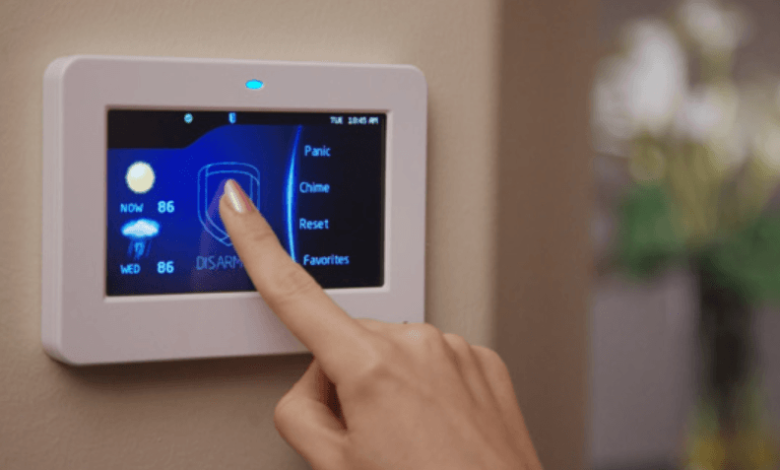
Modern alarm systems offer capabilities that represent a significant advance on older technology. Wireless sensor technology means installations are cleaner and faster, and individual components can be repositioned or added more easily as your needs change. Smartphone integration allows you to monitor your home remotely, receive real-time notifications of activations or system faults, and arm or disarm the system from anywhere with an internet connection.
Dual-path communication is an important feature worth asking about. Older alarm systems communicated with monitoring centres via a single channel, typically a landline phone connection. Modern systems use multiple communication pathways — usually broadband with cellular backup — so that if one channel is disrupted or cut by a potential intruder, the monitoring centre can still receive the activation signal through the alternative channel.
Battery backup is another feature that should not be overlooked. A system that fails during a power outage provides no protection precisely when it may be needed most. Good alarm systems include backup power that allows them to continue operating for several hours in the event of a mains power failure, maintaining protection through weather events or deliberate power interference.
The quality of the sensors matters considerably. High-quality passive infrared motion detectors, door and window reed switches, and glass break sensors perform reliably over years of daily use. Entry-level equipment from lesser-known manufacturers can save money at installation time but tends to generate more false alarms and require more frequent servicing, which erodes the apparent savings over the life of the system.
The installation process and what to expect
A professional alarm installation typically begins with the placement of the control panel in a secure, central location within the home, followed by the installation of sensors at identified entry points and interior locations. Wiring or wireless communication paths are established between each sensor and the control panel, and the system is then programmed, tested, and commissioned before being handed over to the homeowner.
A thorough handover is an important but sometimes rushed part of the installation process. You should leave the installation with a clear understanding of how to arm and disarm the system, how to manage user codes, what the different alerts mean, and who to call if there is a problem. Just as a retailer selling designer streetwear ensures customers understand what they are getting before they leave the store, a reputable security installer ensures you are fully informed and confident about operating your system before they pack up and go.
Ask for documentation that includes the installer’s licence number, the equipment installed, the warranty terms, and any service agreement terms. This documentation is important not only for your own records but also for insurance purposes. Many home insurance policies in WA require evidence that a monitored alarm system is installed and operational, and the documentation you receive at handover supports that requirement.
See also: Choosing the Right Roof Lantern Solutions for Your Home
Choosing the right security company in Perth
In Western Australia, security businesses and individual security agents must be licensed with the Department of Justice under the Security and Related Activities (Control) Act 1996. Verifying that any company you engage holds a current licence is a basic but important step that protects you from substandard or unregulated work. A licensed company operates within defined professional and ethical standards and carries appropriate insurance.
Look for companies with a demonstrable track record in residential security installation in the Perth area. Local companies with established operations, genuine customer reviews, and a history of servicing residential clients are more likely to stand behind their work and remain accessible for ongoing service and support. National franchise operations can offer consistency, but local operators often provide a more personalised service.
Get at least two or three quotes from different companies before making your decision. Each quote should clearly specify the equipment included, the installation approach, any ongoing monitoring costs, and the warranty and service terms. A quote that seems significantly cheaper than the others is worth scrutinising carefully, as it may reflect lower-quality equipment, limited monitoring coverage, or service terms that do not support you well if problems arise.
The right alarm system, properly installed and professionally monitored, is a practical and enduring investment in the security of your Perth home. Taking the time to assess your needs clearly, choose quality equipment, and select a reputable and licensed installer ensures you get a system that performs reliably and provides the protection your family deserves, year in and year out.