
You want to stop dental pain before it starts. General dentistry does that by catching small changes in your mouth early. Regular checkups and cleanings help your dentist see what you cannot see. Tiny cracks, weak spots, and early gum changes often stay hidden until they cause real trouble. Early detection keeps you away from urgent visits and higher costs. It also protects your eating, speaking, and sleep. In a Fairfield, ME dental office, your dentist uses simple tools, careful exams, and routine X‑rays to spot warning signs. Then you get clear steps to fix problems while they are still small. This blog shows how general dentistry finds decay, gum disease, and bite issues before they turn severe. You will see how steady care gives you more comfort, more control, and fewer surprises.
Why early detection matters for you and your family
Tooth and gum problems grow in silence. You often feel nothing until damage is deep. By that time you may need a root canal, a crown, or even an extraction. Early visits cut that risk.
According to the Centers for Disease Control and Prevention, tooth decay is one of the most common chronic conditions in both children and adults. Yet regular checkups and cleanings prevent much of it. You protect your health when you let your dentist act before pain starts.

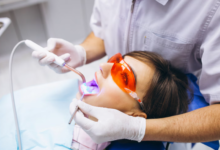
Early detection helps you:
- Keep your natural teeth longer
- Spend less time in the chair
- Reduce treatment costs
You also protect your heart and blood sugar control. Gum disease links to heart disease and diabetes. Treating gum problems early helps your whole body.
What happens during a general dental checkup
A checkup is simple. You sit in the chair. Your dentist and hygienist walk through the same careful steps every time. Each step looks small. Together they give a full picture of your mouth.
You can expect three main parts.
1. Medical and dental history review
First your dentist asks about your health. You share medicines, health changes, and any soreness in your mouth. This guides what your dentist looks for. For example, some blood pressure or asthma drugs dry your mouth. A dry mouth raises decay risk. Your dentist then checks your teeth more closely in those spots.
2. Cleaning and gum check
Next the hygienist removes plaque and tartar. That sticky film hardens on teeth. Brushing and flossing at home cannot remove tartar. Only tools in the office can do that.
During cleaning the hygienist also measures your gums. A small probe checks the space between tooth and gum. Shallow spaces mean healthy gums. Deeper pockets show early gum disease. This measuring catches gum problems before you see blood on your toothbrush.
3. Exam of teeth, bite, and soft tissues
Last your dentist checks every tooth, your bite, and soft tissues in your mouth. You may feel the mirror and explorer move across each tooth. Your dentist looks for stains, soft spots, chips, and wear marks. The exam also covers your tongue, cheeks, roof of the mouth, and throat.
This is where early signs of decay, grinding, and oral cancer often show. A small color change or tiny rough edge can point to a deeper problem that still feels normal to you.
Common tools that find problems early
General dentists use a short list of tools in clear ways. Each tool finds a different type of problem.
| Tool or method | What it checks | Problems found early |
|---|---|---|
| Visual exam and mirror | Teeth, gums, tongue, cheeks | Surface decay, sores, color changes |
| Explorer | Tooth surface hardness | Small cavities, weak enamel |
| Periodontal probe | Gum pocket depth | Early gum disease |
| X‑rays | Inside teeth and bone | Hidden decay, infections, bone loss |
| Bite check paper | How teeth meet | Grinding, high spots, jaw strain |
| Oral cancer screen | Soft tissues and lymph nodes | Unusual lumps, patches, sores |
The National Institute of Dental and Craniofacial Research explains that X‑rays are key for spotting cavities between teeth and under fillings. You cannot see those at home. Your dentist uses the X‑rays only as often as needed based on your risk.
See also: Lake Water Treatments: Essential Solutions for Clean, Healthy Lakes
Issues your dentist often finds before they hurt
Many problems start small and quiet. General dentistry pulls them into the light.
Tooth decay
Early decay may look like a white spot or faint line. You feel nothing. Your dentist can treat this with a small filling or even fluoride and sealants in some cases. If you wait you risk deep decay that reaches the nerve. That often needs root canal treatment or removal.
Gum disease
Gum disease begins with redness and bleeding. It can progress to bone loss and loose teeth. Early cleaning and home care changes can reverse the first stage. Later stages only stay stable with ongoing treatment. You protect your jaw when you treat it early.
Grinding and bite problems
You may clench your teeth at night or when you feel stress. Your jaw joints and teeth pay the price. Your dentist can see flat spots, small cracks, and worn edges. A night guard or bite adjustment can stop the damage before teeth break.
Oral cancer
Oral cancer often starts as a small patch or sore that does not heal. It can appear on the tongue, lips, or throat. Regular screens during your exam raise the chance of finding it early when treatment works best. You support your safety when you agree to that quick check.
How often you and your children should go
Most people need a checkup every six months. Some need visits more often. Your dentist may suggest three or four visits each year if you have:
- Diabetes
- A history of gum disease
- Many past cavities
- Dry mouth
- Smoking or vaping habits
Children should start visits by their first birthday or when the first tooth comes in. Early visits teach good habits and catch decay in baby teeth. That protects speech and chewing and guides healthy adult teeth.
What you can do between visits
Your daily routine supports what happens in the chair. You lower your risk when you:
- Brush with fluoride toothpaste two times each day
- Floss once each day before bed
- Limit sugary drinks and snacks
- Drink water during the day
- Wear a mouthguard for sports
You also help early detection when you watch for warning signs. Call your dentist if you notice:
- Bleeding when you brush or floss
- Sores that do not heal after two weeks
- New lumps or rough spots in your mouth
- Sudden sensitivity to hot, cold, or sweet
- Clicking or pain in your jaw
Taking the next step
General dentistry is quiet prevention. You walk in for a simple visit. You walk out with fewer unknowns and more control. When you stay on a steady schedule you give your dentist the chance to stop problems early. That choice protects your comfort, your budget, and your family’s health.