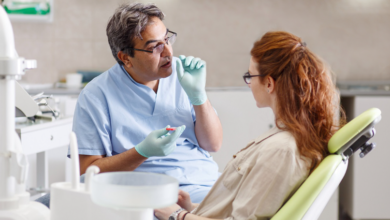
Between checkups, your mouth never gets a break. Plaque builds. Gums swell. Small spots of decay grow quiet and steady. You might brush and floss, yet problems still grow when there is no plan. Preventive dentistry fills that gap between visits. It focuses on simple steps you can control each day. It turns routine habits into real protection. With the right guidance, you lower your risk of cavities, gum disease, infection, and tooth loss. You also avoid sudden pain that can wreck sleep, work, and family time. A trusted dentist in Turlock can help you set clear goals and show you how to keep your teeth and gums steady between cleanings. This blog explains how preventive care works, why it cuts long term costs, and what steps you can start today. Your mouth deserves quiet, steady health, not constant repair.
What Preventive Dentistry Really Means
Preventive dentistry is simple. You and your dentist work together to stop trouble before it starts. You do daily care at home. Your dentist checks for early changes and cleans what you cannot reach.
Core parts of preventive care include:


- Brushing teeth with fluoride toothpaste
- Cleaning between teeth with floss or small brushes
- Limiting sugar and sweet drinks
- Regular checkups and cleanings
- Protective treatments like fluoride and sealants
Each step seems small. Yet together they block the slow damage that leads to pain, infection, and tooth loss.
Why Prevention Matters Between Visits
Tooth decay and gum disease do not start in a day. They grow in quiet stages. You may feel nothing until damage is deep. That is why your daily habits matter as much as your appointment.
Here is what happens between visits when you skip prevention:
- Soft plaque hardens into tartar that brushing cannot remove
- Bacteria feed on sugar and release acid that eats enamel
- Gums pull away from teeth and form pockets
- Hidden spots on back teeth turn into deep cavities
On the other hand, steady preventive care interrupts this chain. You brush away plaque. You starve bacteria of sugar. You protect enamel with fluoride. You keep gums tight around teeth. You keep control.
Health Benefits You Can Feel
Preventive dentistry does more than protect teeth. It also supports your general health. Research from the National Institute of Dental and Craniofacial Research links gum disease to heart disease and diabetes control.
With steady preventive care, you can:
- Lower your risk of painful infections
- Reduce bleeding and swelling in gums
- Keep steady breath and a clean taste in your mouth
- Protect chewing so you can eat a full range of foods
Strong teeth and gums support clear speech, confident smiles, and steady nutrition for every stage of life.
See also: Smile Makeovers: When To Consider Cosmetic Dentistry For Teens And Adults
How Prevention Saves Money and Time
Emergency visits drain savings and energy. Preventive care spreads small costs over time and reduces the need for large treatments.
The table below compares common preventive steps with the treatment that may be needed if you skip them. Costs are rough ratios, not exact prices. They show how prevention protects your budget.
| Preventive Step | Possible Result If Skipped | Relative Cost of Prevention | Relative Cost of Treatment |
|---|---|---|---|
| Regular checkup and cleaning | Large cavity or root canal | 1 | 5 to 15 |
| Daily brushing and flossing | Gum disease and tooth loss | 1 | 10 or more |
| Fluoride treatment | Multiple small cavities | 1 | 3 to 8 |
| Sealants on back teeth | Deep decay in molars | 1 | 4 to 10 |
| Mouthguard for sports | Chipped or knocked out tooth | 1 | 10 to 20 |
Small daily and yearly choices protect family time, paychecks, and school schedules.
Daily Habits That Protect Your Mouth
You can control much of your oral health from home. Focus on three steady habits.
1. Clean Teeth the Right Way
- Brush twice a day with a soft brush and fluoride toothpaste
- Use gentle circles along the gumline
- Clean every surface of every tooth
- Floss once a day to remove sticky plaque between teeth
Studies from the Centers for Disease Control and Prevention show that fluoride and regular cleaning cut cavity risk in children and adults.
2. Watch What You Eat and Drink
- Limit sugary drinks like soda, sports drinks, and juice
- Choose water between meals
- Keep sweets with meals instead of constant snacking
- Chew sugar-free gum to boost saliva if your mouth feels dry
Each time you sip or snack on sugar, acid attacks your teeth. Give your mouth time to recover.
3. Protect Teeth from Injury
- Use a mouthguard for contact sports
- Avoid chewing ice or hard candy
- Do not use teeth to open packages
One sudden break can undo years of good care. Simple guards and habits prevent that shock.
What to Expect at Preventive Visits
Regular visits support your daily work. Your dentist checks for changes that you cannot see.
A typical preventive visit may include:
- Review of your health history and medicines
- Check for decay, loose teeth, and bite changes
- Gum measurement to watch for early disease
- Cleaning to remove plaque and tartar
- Fluoride or sealants for higher risk teeth
- Clear advice tailored to your home habits
You leave with a simple plan. You know what to focus on until the next visit.
Special Tips for Children and Older Adults
Every age needs prevention. Needs change, but the goal stays the same. Keep teeth and gums strong.
Children
- Clean baby gums with a soft cloth before teeth appear
- Start brushing as soon as the first tooth shows
- Use a rice-sized smear of fluoride toothpaste for toddlers
- Ask about sealants when back teeth come in
Older Adults
- Tell your dentist about dry mouth from medicines
- Use fluoride toothpaste and possibly a fluoride rinse
- Clean around bridges, implants, and dentures daily
- Watch for sore spots and report them early
Take the Next Small Step
Preventive dentistry is not complex. It is steady. You brush. You clean between your teeth. You watch sugar. You show up for checkups. You speak up when something feels off.
Each small act protects your mouth between visits. Each choice moves you away from pain, emergency care, and avoidable loss. Start today. Choose one habit to improve this week. Then build from there. Your future self will thank you every time you eat, speak, and smile without fear.