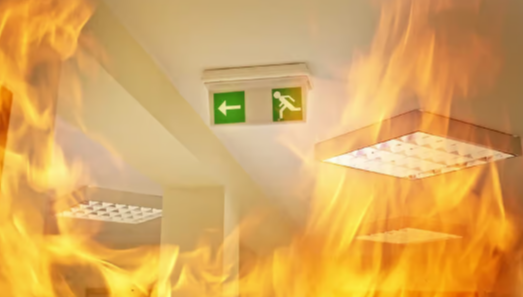
High-rise buildings are architectural marvels that define modern city skylines, yet their height and complexity pose significant challenges for fire safety. Fires in these structures can escalate rapidly, threatening lives, property, and the surrounding environment. Conducting a Fire Risk Assessment in High-Rise Buildings is a critical step in safeguarding occupants, minimizing property damage, and ensuring compliance with fire safety regulations. This article explores the methodology, key considerations, and strategies for effective fire risk management in high-rise buildings.
Understanding Fire Risk Assessment
A fire risk assessment is a systematic evaluation of potential fire hazards within a building, the likelihood of a fire occurring, and the severity of its potential impact. The purpose is to identify risks and implement measures to reduce them, ensuring the safety of residents, employees, and visitors. High-rise buildings require special attention due to:
- Large occupancy levels
- Complex layouts and multiple floors
- Limited evacuation routes
- High reliance on fire detection and suppression systems
Steps Involved in Fire Risk Assessment in High-Rise Buildings
1. Identifying Fire Hazards
The first step is to recognize potential sources of fire. Common hazards in high-rise buildings include:


- Electrical equipment and wiring faults
- Cooking and heating appliances
- Flammable materials and storage areas
- Smoking and careless human behavior
- Construction and renovation activities
Assessors should inspect all areas, including basements, rooftops, utility rooms, and service shafts.
2. Evaluating People at Risk
High-rise buildings often host diverse groups of people, including office workers, residents, visitors, and maintenance staff. It is essential to consider:
- Occupants with limited mobility
- Elderly individuals and children
- Visitors unfamiliar with emergency exits
Evaluating who is at risk allows for the design of tailored evacuation strategies and safety measures.
3. Assessing Fire Detection and Alarm Systems
An effective fire risk assessment evaluates existing fire detection and alarm systems. Key components include:
- Smoke and heat detectors
- Fire alarm control panels
- Voice alarm systems for clear communication
- Integration with emergency response protocols
Early detection and timely alerts are crucial to prevent fire escalation and ensure rapid evacuation.
4. Reviewing Fire Suppression Systems
High-rise buildings must have robust fire suppression mechanisms. The assessment should include:
- Sprinkler systems and hydrants
- Fire extinguishers suitable for different fire types
- Automatic fire suppression in kitchens and electrical rooms
- Emergency water supply and pressure checks
5. Evaluating Means of Escape
Safe evacuation is critical in high-rise buildings. Assessors review:
- Fire exits and staircases
- Evacuation signage and emergency lighting
- Accessibility of exits for all occupants
- Evacuation drills and emergency training
A clear, well-maintained evacuation plan reduces panic and ensures orderly movement during emergencies.
6. Considering Fire Safety Management Practices
Management policies play a key role in reducing fire risk. High-rise building assessment includes:
- Staff training in fire safety and emergency response
- Regular maintenance of fire protection equipment
- Control of fire hazards such as flammable storage
- Documented procedures for evacuation and fire drills
7. Recording Findings and Implementing Measures
The final step involves documenting all identified risks, recommended safety measures, and assigned responsibilities. This includes:
- Prioritizing high-risk areas
- Installing or upgrading safety equipment
- Scheduling periodic inspections and fire drills
- Continuous review and improvement of fire safety protocols
Challenges in Fire Risk Assessment of High-Rise Buildings
High-rise buildings present unique challenges compared to smaller structures:
- Vertical Evacuation Complexity: Evacuating many floors simultaneously can create congestion in stairwells.
- Fire Spread Across Floors: Smoke and heat can rise quickly, threatening multiple levels.
- Dependence on Mechanical Systems: Elevators, sprinklers, and pressurized stairwells are crucial but vulnerable to failure.
- Limited Access for Firefighters: External firefighting may be restricted due to height or surrounding buildings.
These challenges require careful planning and specialized safety measures.
Read Also: Why Preventive Dentistry Protects Smiles From Childhood To Senior Years
Best Practices for Fire Risk Mitigation
- Regular Fire Drills: Conducting realistic evacuation drills ensures occupants know exit routes and emergency procedures.
- Comprehensive Maintenance: Routine checks of alarms, extinguishers, sprinklers, and emergency lighting are essential.
- Fire-Resistant Materials: Using non-combustible building materials reduces fire spread.
- Advanced Detection Systems: Implementing smoke and heat sensors connected to automated alarms improves response times.
- Emergency Communication Systems: Voice alarms, public address systems, and mobile alerts help guide occupants during emergencies.
Conclusion
Fire Risk Assessment in High-Rise Buildings is a vital practice that protects human lives, property, and infrastructure. It involves identifying hazards, evaluating risks, reviewing safety systems, and implementing measures to prevent and control fires. Regular assessment and proactive fire safety management not only ensure compliance with regulations but also foster a safe and secure environment for all building occupants. Prioritizing fire safety in high-rise buildings is not an option—it is an essential responsibility.
FAQs
Q1: How often should a fire risk assessment be conducted in high-rise buildings?
A: Fire risk assessments should be reviewed at least annually or whenever there are significant changes in building occupancy, layout, or fire safety systems.
Q2: Are high-rise buildings required by law to have fire risk assessments?
A: Yes, most countries have strict regulations requiring fire risk assessments for high-rise buildings to ensure occupant safety and compliance with fire safety codes.
Q3: Can occupants conduct a fire risk assessment themselves?
A: While occupants can identify basic hazards, professional fire risk assessors are recommended for high-rise buildings due to the complexity of safety systems and evacuation planning.
Q4: What is the most common fire hazard in high-rise buildings?
A: Electrical faults, cooking appliances, and flammable materials are among the most common hazards in high-rise buildings.
Q5: How can fire safety awareness be improved in high-rise buildings?
A: Regular training sessions, fire drills, clear signage, and communication of safety protocols enhance awareness and preparedness among occupants.