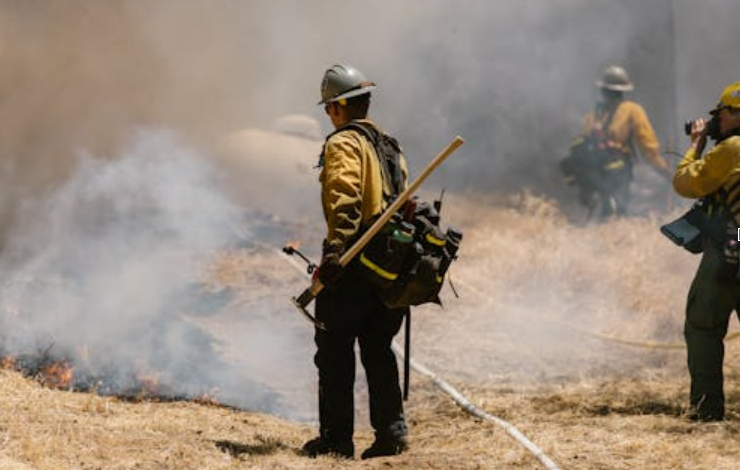
Ensuring fire and safety compliance is essential for protecting lives, property, and business operations. Regulatory authorities worldwide enforce strict fire and safety standards for residential, commercial, and industrial properties. Failing to adhere to these regulations can result in legal penalties, financial losses, and serious safety hazards. This complete guide to fire and safety compliance requirements explains essential obligations, procedures, equipment standards, and best practices for achieving and maintaining compliance.
Understanding Fire and Safety Compliance
Fire and safety compliance involves adhering to laws, codes, and standards designed to prevent fires, minimize risks, and ensure effective response in emergencies. Compliance is not only a legal obligation but a moral and operational necessity.
Importance of Compliance
Compliance with fire and safety regulations provides multiple benefits:


- Protects lives: Ensures occupants and employees are safe.
- Prevents property damage: Reduces the impact of fire incidents.
- Avoids legal issues: Prevents fines, penalties, and business closures.
- Promotes operational continuity: Minimizes disruption during emergencies.
Organizations that prioritize fire and safety compliance demonstrate responsibility and build trust with stakeholders.
Key Regulatory Bodies and Standards
Fire and safety compliance is governed by local, national, and international authorities.
National and Local Authorities
In most countries, local fire departments and safety authorities establish regulations for:
- Fire alarms and detection systems
- Fire exits and evacuation routes
- Emergency lighting
- Occupancy limits and building codes
International Standards
Global standards such as NFPA (National Fire Protection Association) and ISO (International Organization for Standardization) provide comprehensive guidelines for:
- Fire prevention and detection
- Fire suppression systems
- Risk assessment procedures
- Staff training and emergency response
Compliance with international standards ensures consistent safety practices across locations.
Fire Risk Assessment
Fire risk assessment is the foundation of compliance. It identifies hazards, evaluates risks, and recommends control measures.
Steps in Fire Risk Assessment
- Identify potential fire hazards: Electrical equipment, flammable materials, and heat sources.
- Evaluate risks: Assess likelihood and potential impact of fire incidents.
- Implement control measures: Fire detection, suppression systems, and safety procedures.
- Document findings: Maintain a detailed record for regulatory inspection.
Regular fire risk assessments ensure early detection of hazards and continuous compliance.
Fire Safety Equipment and Systems
Proper fire safety equipment is essential to detect, suppress, and manage fire emergencies.
Fire Detection Systems
- Smoke detectors: Detect smoke particles in the air and trigger alarms.
- Heat detectors: Identify rapid temperature changes associated with fires.
- Manual alarms: Allow occupants to alert others in emergencies.
Detection systems must be tested and maintained regularly to ensure functionality.
Fire Suppression Systems
- Fire extinguishers: Portable devices for small fires; types vary by hazard (water, CO₂, foam).
- Sprinkler systems: Automatically activate to suppress fires in larger areas.
- Hose reels and hydrants: Provide water access for firefighting.
Equipment placement and maintenance are critical to compliance.
Emergency Exits and Evacuation Routes
- Clearly marked exits: Visible signs indicating escape routes.
- Unobstructed pathways: Free from furniture or storage to allow quick evacuation.
- Emergency lighting: Illuminates exit routes during power failures.
Evacuation plans must be regularly reviewed and tested.
See also: Business Success Course Online: Building the Skills and Mindset for Long-Term Achievement
Staff Training and Awareness
Compliance extends beyond equipment—it includes educating employees and occupants.
Fire Safety Training Programs
- Proper use of fire extinguishers
- Evacuation procedures and assembly points
- Identifying and reporting fire hazards
Regular training sessions and drills ensure everyone knows how to respond effectively.
Safety Awareness Initiatives
- Posters and signage to reinforce safety measures
- Online courses and workshops
- Communication of regulatory updates
Engaged and informed staff are better prepared for emergencies.
Documentation and Record-Keeping
Maintaining accurate records is essential for compliance verification.
Key Documentation
- Fire risk assessment reports
- Equipment inspection and maintenance logs
- Staff training records
- Incident and drill reports
Proper documentation demonstrates accountability and readiness during regulatory inspections.
Legal Obligations for Fire and Safety Compliance
Building Codes and Fire Regulations
Compliance requires adherence to local building codes that cover:
- Construction materials
- Fire-resistant doors and walls
- Occupancy limits
- Safety signage
Penalties for Non-Compliance
Failure to comply can result in:
- Fines and legal penalties
- Suspension of operations or occupancy
- Increased insurance premiums
- Liability in case of injuries or fatalities
Proactive compliance mitigates legal and financial risks.
Risk Mitigation and Preventive Measures
Regular Inspections and Maintenance
- Inspect alarms, extinguishers, and sprinklers
- Check emergency lighting and exit signs
- Maintain clear evacuation routes
Preventive maintenance reduces the likelihood of system failure during emergencies.
Fire Prevention Strategies
- Proper storage of flammable materials
- Safe handling of electrical equipment
- Implementation of smoking policies
- Routine housekeeping to eliminate fire hazards
Prevention is the most cost-effective way to ensure safety.
Emergency Response Planning
A robust emergency response plan ensures coordinated action during fire incidents.
Components of an Emergency Plan
- Evacuation procedures and assembly points
- Roles and responsibilities for staff
- Communication protocols with fire services
- Post-incident reporting and recovery procedures
Regular drills and plan updates ensure effectiveness.
Integrating Technology in Fire and Safety Compliance
Smart Fire Detection Systems
- IoT-enabled sensors for real-time monitoring
- Automated alerts to mobile devices and fire services
- Remote diagnostics and system checks
Digital Compliance Management
- Software solutions to track inspections, training, and equipment maintenance
- Automated reminders for periodic checks
- Centralized records for audit and reporting
Technology improves accuracy, responsiveness, and accountability.
Industry-Specific Compliance Requirements
Commercial Buildings
- Fire alarm systems covering all floors
- Sprinklers in high-occupancy areas
- Staff trained in emergency procedures
Industrial Facilities
- Hazard-specific fire suppression systems
- Flammable material storage protocols
- Regular safety audits and regulatory reporting
Residential Properties
- Smoke detectors and fire extinguishers in apartments
- Safe electrical installations
- Clear evacuation procedures for tenants
Compliance strategies vary according to property type and risk level.
Choosing a Compliance Partner or Consultant
Professional guidance ensures effective compliance.
Key Considerations
- Experience in local and national regulations
- Proven track record in fire safety audits and training
- Availability for ongoing monitoring and support
A qualified partner helps property owners meet obligations efficiently and maintain a safe environment.
Conclusion
Fire and safety compliance requirements are critical for protecting lives, property, and business operations. From fire risk assessments and equipment maintenance to staff training and emergency planning, comprehensive compliance strategies ensure preparedness and minimize risks.
If you need expert guidance to meet fire and safety standards and protect your property, contact us today to access professional compliance solutions tailored to your organization’s needs.
By understanding regulatory obligations, implementing preventive measures, maintaining accurate records, and leveraging professional expertise, organizations can achieve full compliance. Prioritizing fire and safety compliance not only safeguards occupants but also enhances operational continuity, reduces legal liabilities, and builds a culture of safety.
Whether for residential, commercial, or industrial properties, adhering to fire and safety standards is a long-term investment in safety, security, and peace of mind.